Understanding Open Concept Living Dynamics
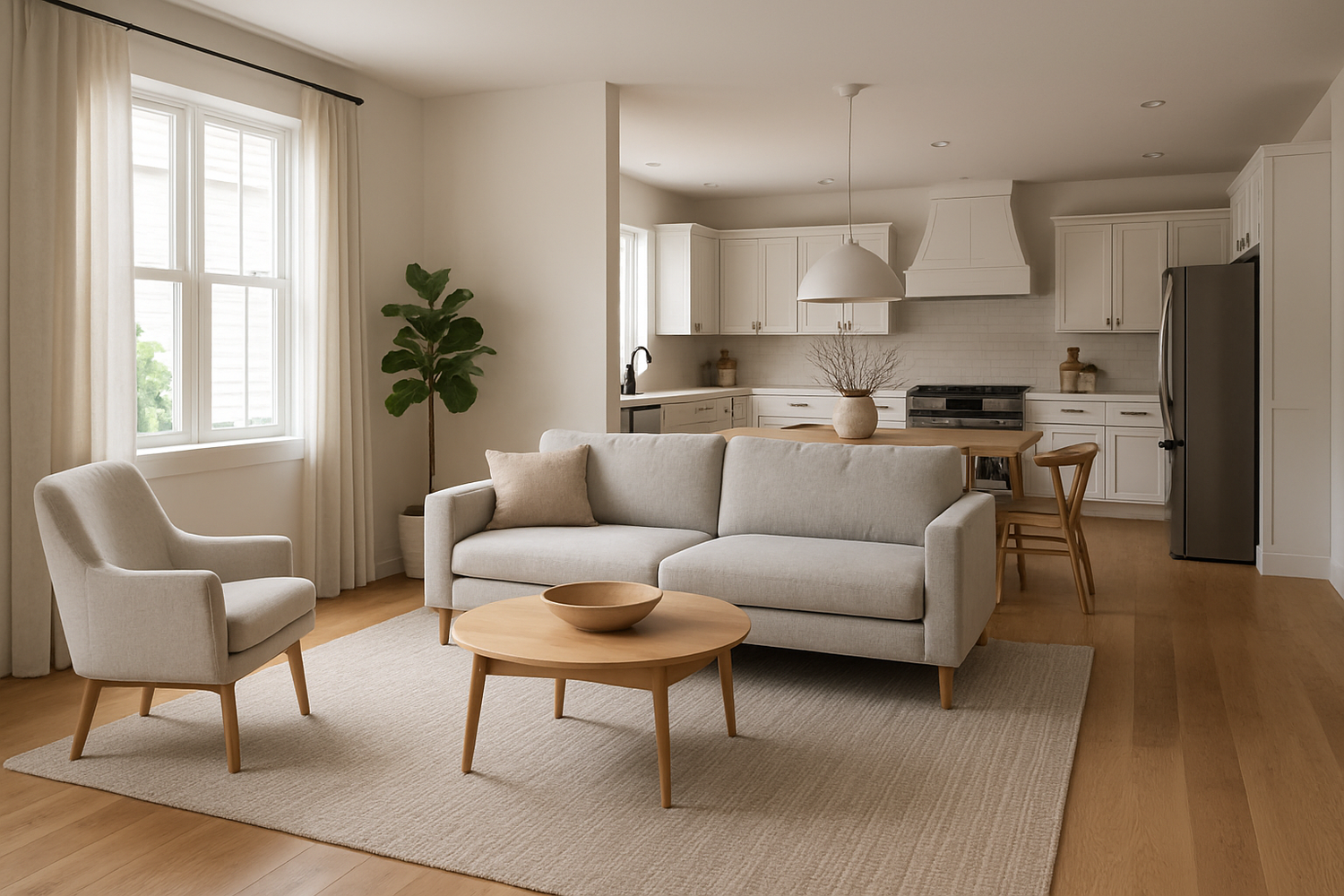
Open concept living transforms traditional spatial boundaries, creating expansive environments where functionality and aesthetics converge seamlessly. The absence of demarcating walls necessitates deliberate design strategies to establish visual cohesion while maintaining distinct functional zones. Rugs emerge as pivotal elements in this architectural philosophy, serving as silent orchestrators that define territories without compromising the flowing nature of interconnected spaces.
Contemporary homeowners gravitate toward open layouts for their inherent sense of spaciousness and enhanced social connectivity. However, these environments present unique challenges in establishing intimate gathering areas within larger expanses. Strategic rug placement becomes instrumental in creating visual anchors that ground furniture groupings while preserving the airy atmosphere that makes open concept living so appealing.
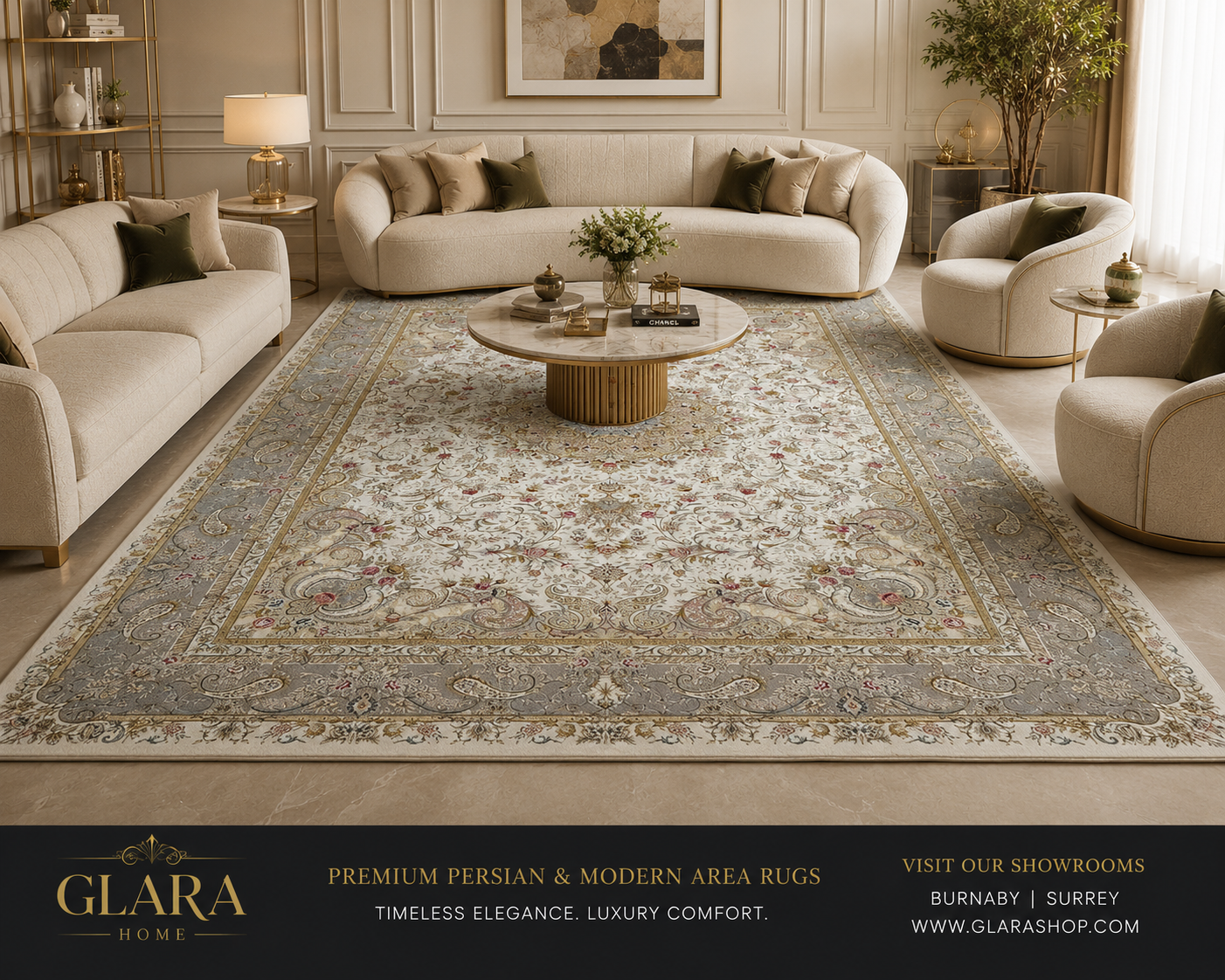
The psychological impact of well-positioned area rugs extends beyond mere decoration. These textile foundations influence how occupants navigate and perceive space, subtly directing foot traffic and creating psychological comfort zones. Premium Persian rugs, with their intricate patterns and luxurious textures, add layers of sophistication that elevate the entire aesthetic narrative of open concept environments.
Zone Definition Through Strategic Rug Placement
Effective zone delineation requires understanding the inherent flow patterns within open concept layouts. Rugs function as terrestrial boundaries, creating distinct areas for relaxation, dining, and circulation without erected barriers. The key lies in selecting appropriately sized textiles that encompass furniture groupings while maintaining proportional relationships with surrounding elements.
Living Area Demarcation
The primary seating area demands a substantial rug that accommodates all front furniture legs, creating a unified foundation for conversation and relaxation. A properly dimensioned area rug should extend 18-24 inches beyond the sofa's perimeter, allowing for comfortable foot placement and visual breathing room. This generous sizing prevents the floating effect that occurs when furniture appears disconnected from its textile foundation.
Sectional sofas require particularly thoughtful consideration, as their L-shaped or U-shaped configurations can span considerable square footage. The rug should encompass the entire sectional footprint while providing adequate overhang for coffee tables and accent seating. Premium wool or silk Persian rugs excel in these applications, offering durability and timeless elegance that withstands high-traffic usage.
Dining Zone Establishment
Dining areas within open concept layouts benefit from rugs that clearly define the eating space while complementing adjacent zones. The ideal dining rug should accommodate the table plus an additional 30 inches on all sides, ensuring chairs remain on the textile surface even when pulled out for seating. This generous allowance prevents the jarring transition between hard flooring and soft textiles during meal service.
Consider the acoustic benefits of dining area rugs, which absorb sound and create a more intimate atmosphere for conversations. Flat-weave or low-pile options prove practical for dining applications, facilitating easy chair movement while maintaining visual impact through pattern and color.
Size and Scale Considerations
Proportional harmony governs successful rug placement in open concept environments. Oversized rugs can overwhelm furniture groupings, while diminutive textiles create a scattered, unfinished appearance. The relationship between rug dimensions and surrounding elements requires careful calibration to achieve visual equilibrium.
"The most successful open concept designs utilize rugs as architectural elements, not mere accessories. They should feel integral to the space, not afterthoughts placed randomly throughout the room."
Standard sizing conventions provide helpful starting points, but each open concept layout demands individualized assessment. A 9x12-foot rug typically suits medium to large living areas, while 8x10-foot options work well for smaller groupings. However, exceptionally spacious open concepts may require custom sizing or multiple coordinated rugs to achieve proper scale relationships.
Furniture leg placement significantly impacts perceived rug size. The "all legs on" approach creates maximum visual impact and unification, while "front legs only" positioning offers budget flexibility without completely sacrificing the grounding effect. Avoid the common mistake of placing all furniture legs off the rug, which creates a disconnected, floating appearance that undermines spatial cohesion.
Color Coordination and Pattern Selection
Open concept environments demand thoughtful color orchestration to maintain visual flow between adjacent zones. Rugs serve as foundational elements that either harmonize disparate areas or provide intentional contrast to define boundaries. The key lies in establishing a cohesive color palette that threads throughout the space while allowing for tonal variation and visual interest.
Neutral foundations offer versatility and longevity, allowing furniture and accessories to evolve without requiring rug replacement. However, strategically placed jewel tones or rich earth colors can anchor spaces and provide focal points that energize the overall aesthetic. Persian rugs excel in this capacity, offering sophisticated color combinations that complement both modern and traditional furnishings.
Pattern mixing requires restraint and expertise in open concept settings. Large-scale patterns can overwhelm spacious areas, while diminutive motifs may disappear entirely. Consider the viewing distance and furniture scale when selecting pattern density. Geometric designs tend to complement contemporary furnishings, while traditional floral or medallion patterns add classical elegance and visual weight to modern spaces.
Complementing Modern European Furniture
Contemporary European furniture design emphasizes clean lines, sophisticated materials, and understated elegance. Rug selections should echo these principles while adding textural warmth and visual anchoring. Solid colors with subtle texture variation, geometric patterns with refined execution, or traditional motifs in contemporary colorways create harmonious relationships with modern furnishings.
The interplay between sleek furniture silhouettes and intricate rug patterns creates dynamic visual tension that prevents monotonous uniformity. However, balance remains crucial – overly busy patterns can compete with architectural furniture pieces for attention, while excessively plain rugs may fail to provide adequate visual interest in minimalist settings.
Practical Placement Strategies
Successful rug placement extends beyond aesthetic considerations to encompass practical functionality and maintenance requirements. High-traffic pathways, furniture movement patterns, and cleaning accessibility influence optimal positioning decisions. Strategic placement maximizes both visual impact and long-term performance in demanding open concept environments.
| Zone Type | Recommended Size | Clearance Requirements | Key Considerations |
|---|---|---|---|
| Living Area | 8x10 to 10x14 feet | 18-24 inches beyond furniture | All front legs on rug minimum |
| Dining Zone | 8x10 to 9x12 feet | 30 inches beyond table | Chair mobility and sound absorption |
| Entryway | 4x6 to 6x9 feet | 12-18 inches from walls | Durability and easy maintenance |
Traffic Flow Optimization
Natural circulation patterns should guide rug placement to avoid obstructing movement between functional zones. Identify primary pathways connecting living, dining, and kitchen areas, then position rugs to frame these corridors rather than intersect them. This approach maintains the seamless flow that makes open concept living so appealing while creating distinct destination points.
Consider seasonal furniture rearrangements and entertaining needs when finalizing rug positions. Flexible placement allows for occasional furniture repositioning without compromising the overall design scheme. Premium rugs justify investment partly through their adaptability to evolving spatial requirements and design preferences.
Layering Techniques for Added Depth
Advanced design strategies incorporate rug layering to create dimensional interest and define sub-zones within larger areas. A neutral foundation rug can anchor the entire space while smaller accent rugs define specific functional areas or highlight architectural features. This technique works particularly well in expansive open concepts where single large rugs might appear insufficient or where budget constraints require phased implementation.
Layering requires careful attention to proportions, textures, and color relationships. Combine different pile heights, patterns scales, and material compositions to avoid visual competition while maintaining cohesive aesthetics. The foundation rug should remain visually recessive, allowing accent pieces to provide focal points and define intimate gathering areas.
Common Mistakes to Avoid
Even experienced designers encounter pitfalls when navigating rug placement in open concept environments. Understanding these common missteps helps ensure successful implementation and long-term satisfaction with design decisions.
- Selecting undersized rugs that fail to anchor furniture groupings adequately
- Positioning rugs in high-traffic pathways that disrupt natural flow patterns
- Choosing patterns or colors that compete with architectural features or key furnishings
- Neglecting acoustic considerations in hard-surfaced open concept spaces
- Failing to account for furniture leg placement and resulting visual disconnection
- Overlooking maintenance requirements and lifestyle compatibility
Budget constraints often drive premature rug selection, leading to compromise sizing or quality decisions that ultimately undermine the design vision. Investing in appropriately sized, high-quality pieces proves more economical long-term than replacing inadequate solutions. Premium Persian rugs offer exceptional value through their longevity, timeless appeal, and ability to anchor sophisticated design schemes across multiple residence transitions.
Maintenance accessibility requires advance consideration, particularly in high-traffic open concept environments. Positioning large rugs near furniture pieces that can't be easily moved complicates routine cleaning and professional maintenance. Strategic placement should balance aesthetic goals with practical serviceability requirements.
Maintenance and Longevity Tips
Premium rug investments demand protective care strategies to maintain appearance and structural integrity throughout years of use. Open concept placements often experience varied traffic patterns and exposure conditions that require adaptive maintenance approaches.
Regular rotation prevents uneven wear patterns, particularly important for rugs positioned in asymmetrical furniture arrangements. Quarterly rotation maintains uniform aging and prevents permanent indentations from heavy furniture pieces. Professional cleaning services understand the specific requirements of different rug materials and construction methods, ensuring appropriate care that preserves both appearance and value.
Environmental factors in open concept homes can vary significantly between zones, requiring monitoring of humidity levels, sun exposure, and temperature fluctuations. Strategic placement away from direct sunlight prevents fading, while adequate ventilation prevents moisture-related issues that can damage natural fiber construction.

Leave a comment
All comments are moderated before being published.
This site is protected by hCaptcha and the hCaptcha Privacy Policy and Terms of Service apply.